2026 Best Prescription Lenses for Clarity and Comfort?
As we look ahead to 2026, the search for the best prescription lenses is more critical than ever. With nearly 75% of adults requiring vision correction, the right lenses can significantly enhance clarity and comfort. According to industry reports, quality lenses not only impact daily activities but also contribute to overall eye health.
Prescription lenses are not just about vision; they play a vital role in lifestyle. Recent studies show that the right lens coatings can reduce glare and filter harmful blue light, improving visual comfort. However, with numerous options available, consumers may find it challenging to choose the most suitable lenses.
Reflection on personal preferences is essential. In an era where digital screens dominate, eye strain affects many individuals. Experts recommend regular eye exams to assess lens effectiveness. Choosing the right prescription lenses should prioritize personal needs, comfort, and long-term health.

Understanding the Importance of Prescription Lenses for Vision Clarity
Prescription lenses play a crucial role in enhancing vision clarity. According to industry data, more than 150 million Americans require vision correction. Among them, a significant percentage report improved clarity with quality lenses. These lenses are not just about correcting vision; they also reduce eye strain. Studies indicate that up to 70% of people experience eye discomfort without proper eyewear.
The importance of lens technology cannot be overstated. High-index lenses can be thinner and lighter, providing greater comfort. However, some users may neglect their prescription renewals, leading to decreased clarity over time. This lapse can hinder daily activities, such as reading or driving. Regular eye exams are essential to ensure optimal lens performance. Yet, many fail to recognize the link between routine check-ups and improved vision quality.
Comfort is another vital aspect of prescription lenses. The right lens can significantly reduce glare and enhance contrast. Many wearers experience discomfort from their current lenses, yet they may not seek alternatives. A shift in mindset is necessary. Continued learning about lens options can lead to greater satisfaction and clarity. Adjusting to new lens types may take time, but the benefits are undeniable.
Types of Prescription Lenses: A Comprehensive Overview
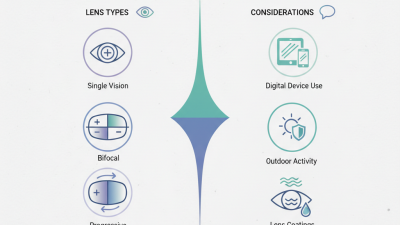
When it comes to prescription lenses, various types cater to diverse vision needs. Single vision lenses are the most common choice for correcting either near or distance vision. These lenses typically offer an unobstructed view, making them a practical option for daily wear. Industry data shows that over 60% of eyeglass users prefer this type due to its simplicity and effective vision correction.
Progressive lenses present a more complex solution. They seamlessly blend multiple prescriptions into a single lens without noticeable lines, making them ideal for those needing both near and far vision correction. Reports indicate that about 50% of multifocal lens users opt for progressives, valuing the natural transition as they look at different distances. However, some wearers may experience adaptation issues, such as distortion in peripheral vision.
Photochromic lenses are gaining popularity as well. These lenses darken in sunlight, providing comfort and protection from UV rays. A recent study highlighted that nearly 40% of lens buyers choose photochromic options. While these lenses offer convenience, they may not perform optimally in all conditions. Users often notice a delay in darkening and lightening, which could be frustrating in rapidly changing environments.
2026 Best Prescription Lenses for Clarity and Comfort - Types of Prescription Lenses: A Comprehensive Overview
| Lens Type |
Material |
Coating Options |
Benefits |
Ideal For |
| Single Vision |
Polycarbonate |
Anti-reflective, Scratch-resistant |
Clear vision at one distance |
General use, nearsightedness, farsightedness |
| Bifocal |
CR-39 Plastic |
UV Protection, Anti-scratch |
Dual prescription for distance and close-up |
Presbyopia, intermediate tasks |
| Progressive |
High-index Plastic |
Blue light filtering, Anti-reflective |
Seamless transition between distances |
Multi-range vision, active lifestyles |
| Photochromic |
Polycarbonate |
Anti-fog, Anti-scratch |
Adapt to changing light conditions |
Outdoor use, light-sensitive individuals |
| Specialty Lenses |
Glass or Plastic |
Customized coatings |
Tailored for specific activities |
Sports, computer use, unique vision needs |
Evaluating Lens Materials for Comfort and Durability
When it comes to prescription lenses, choosing the right materials is crucial for comfort and durability. Recent studies indicate that polycarbonate lenses offer a lightweight option, with a nearly 90% impact resistance. This material is ideal for active lifestyles, providing security alongside clarity.
However, not all materials are suitable for everyone. High-index lenses, known for their thinner profile, cater to those with strong prescriptions. While they enhance aesthetics, they might lack scratch resistance compared to other options. A report from the Vision Council suggests that 30% of users experience discomfort due to lens thickness. Understanding your specific needs is key.
Additionally, lens coatings play a significant role in overall satisfaction. Anti-reflective coatings can reduce glare, improving comfort, particularly for screen users. However, these coatings may wear over time, leading to frequent replacements. The balance between durability and comfort often requires careful consideration and occasional reassessment of your lens choice.
Key Features to Look for in High-Quality Prescription Lenses
When selecting prescription lenses, clarity and comfort are paramount. High-quality lenses should provide crisp vision at any distance. Look for those that offer anti-reflective coatings. These coatings reduce glare, making it easier to see clearly in bright conditions. Lenses with UV protection are essential too. They shield your eyes from harmful rays.
Consider the material of the lenses. Polycarbonate lenses are lightweight and impact-resistant. They are a great choice for active lifestyles. Trivex lenses are another option, combining durability with superior optical quality. It's also worth noting that lens thickness affects comfort. Thinner lenses are lighter and often more comfortable for extended wear.
Customization is key. Different needs require different solutions. Those who spend long hours on screens may benefit from blue light filtering. Others may need lenses tailored for specific activities, like sports or reading. Finding the perfect pair involves some trial and error. A personalized approach ensures your lenses align with your unique vision requirements.
Top Recommended Brands for Prescription Lenses in 2026
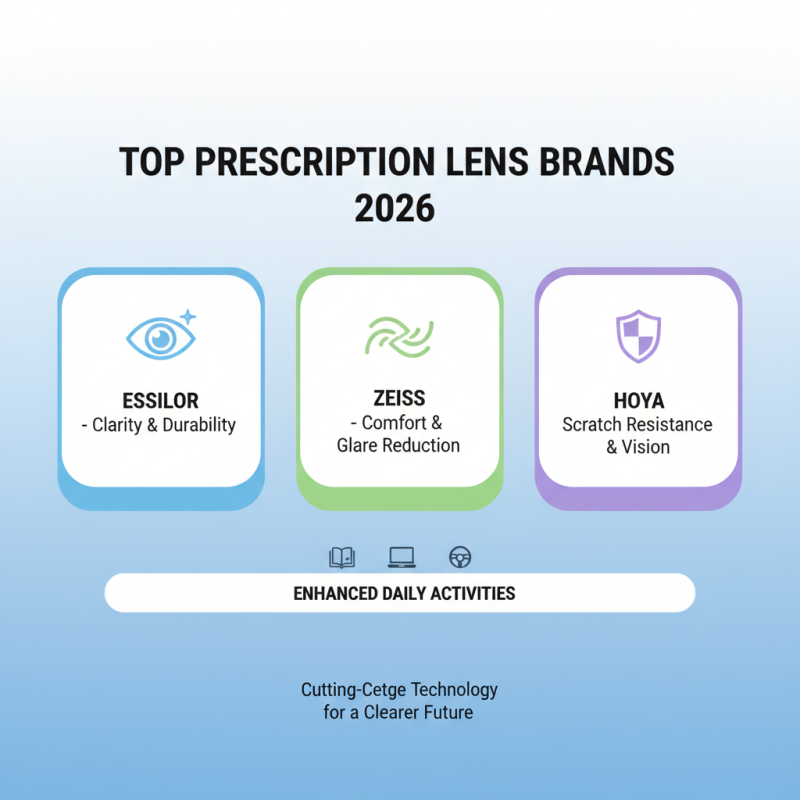
In 2026, clarity and comfort remain top priorities for prescription lens wearers. Many people seek lenses that enhance their daily activities. Cutting-edge technology has improved lens durability and visual performance significantly. Opticians recommend materials that resist scratches and prevent glare. This can transform a simple reading task into a comfortable experience.
Prominent brands in the market focus on innovative lens designs. Most lenses now offer options such as blue light filtering and anti-reflective coatings. These features cater to individuals who spend long hours on screens. This is crucial in today’s digital world. However, not every lens works perfectly for everyone. Personal preferences and vision needs vary widely, leading to occasional mismatches. It's important to consult with eye care professionals for personalized recommendations.
Finding the right lens is not just about comfort but also about enhancing quality of life. Some users may find themselves returning to their opticians multiple times for adjustments. This trial-and-error process can be frustrating, yet it often leads to better solutions. Investing in quality lenses can significantly improve daily activities, from driving to reading. As always, the key lies in understanding what works best for your unique vision needs.