Best Tinted Lenses for Sunglasses Which One Should You Choose?
When it comes to selecting the best tinted lenses for sunglasses, informed choices are essential. Tinted lenses not only elevate style but also offer varying degrees of protection from harmful UV rays. According to a report from the Vision Council, about 70% of Americans wear sunglasses, but fewer than 30% choose lenses with proper UV protection. This discrepancy highlights a critical gap in consumer awareness.
Expert in optical technologies, Dr. Lena Schmidt, emphasizes, "Choosing the right tinted lens can significantly enhance visual comfort and eye health." Different shades and tints play distinct roles. Gray lenses reduce overall brightness, while brown and amber enhance contrast in various situations. Each tint serves a purpose and influences your visual experience.
However, many overlook the importance of lens quality. It's not just about color but also about the material and coatings used. Research shows that cheaper lenses may not provide adequate protection. As consumers, we should reflect on our choices and investigate the specifics of tinted lenses to ensure optimal safety and comfort.
Understanding Tinted Lenses: Benefits and Types
Tinted lenses for sunglasses come in various types. Each type offers unique benefits. Understanding these can help in making an informed choice.
Gray tinted lenses are popular. They reduce overall brightness without distorting color. According to a study by the American Academy of Ophthalmology, gray lenses can improve visual comfort. They are great for general outdoor activities. However, they may not enhance contrast. For activities like driving, this could be a drawback.
Brown or amber lenses improve depth perception. They filter out blue light, minimizing glare. The Vision Council notes that these lenses enhance contrast and clarity. They are particularly beneficial in variable lighting conditions. Yet, they can alter how colors appear. This might confuse some users.
Lastly, yellow or gold lenses brighten low-light conditions. These lenses help with contrast when skiing or cycling. However, they do not provide adequate protection in bright sunlight. Many people overlook this aspect. It's critical to recognize that each lens type serves different needs. Making the wrong choice could lead to discomfort or eye strain.
Factors to Consider When Choosing Tinted Lenses
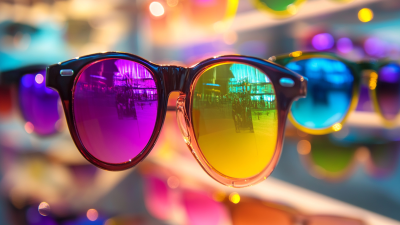
When choosing tinted lenses for sunglasses, several factors come into play. The tint color is one of the most important aspects. Different colors offer various benefits. Gray lenses reduce brightness without changing colors. Brown lenses enhance contrast, making them great for outdoor activities. Yellow or amber lenses are excellent for low-light conditions, but they may distort colors.
Another key consideration is the level of darkness in the lenses. Color intensity influences eye comfort. Lighter tints allow more light, while darker tints provide more protection. However, too dark a tint can make it challenging to see clearly in some situations. It's essential to find a balance that suits your lifestyle and needs.
UV protection is critical. Ensure the lenses block 100% of harmful UV rays. Some tints may not filter UV light effectively. This can lead to eye strain and damage over time. Finally, consider the material of the lenses. Polycarbonate lenses offer durability and safety, while glass lenses provide excellent optical clarity. Reflect on your daily activities, and choose wisely to keep your eyes safe and comfortable.
Best Tinted Lens Colors for Different Environments
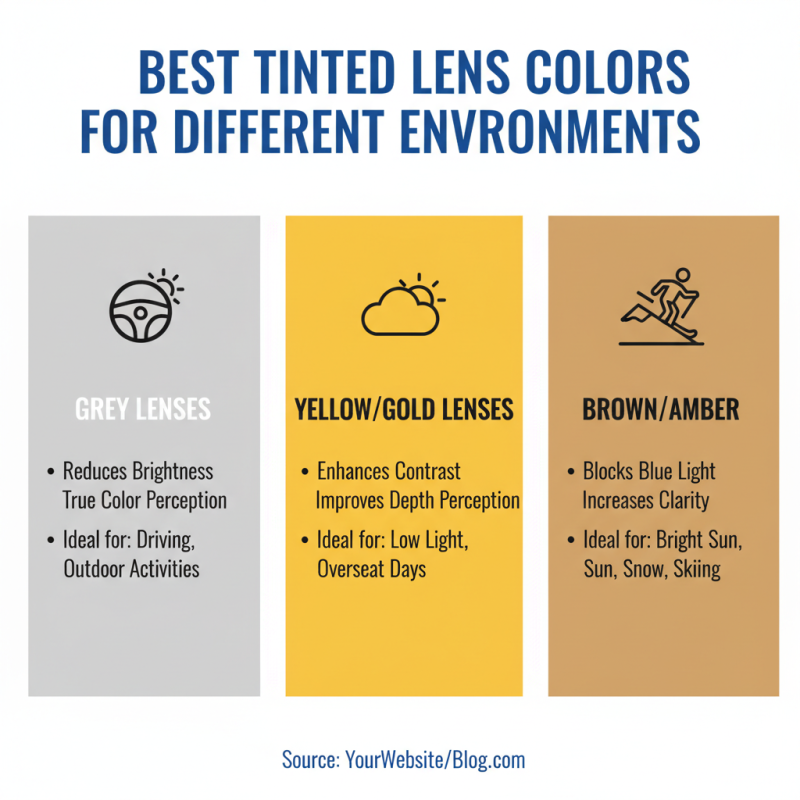
Choosing the right tinted lens color for your sunglasses can enhance your vision in various environments. For instance, gray lenses reduce overall brightness while preserving true color. They are ideal for driving and outdoor activities. Yellows and golds, on the other hand, excel in low-light conditions. They improve contrast and depth perception, making them suitable for overcast days.
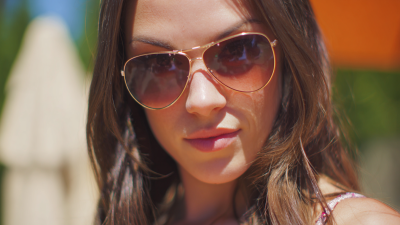
For beach lovers, amber or brown lenses might be the best option. They enhance contrast and reduce glare from water and sand. However, remember that not all tinted lenses suit every environment. Some may distort colors, which can be troublesome for activities like photography. Additionally, blue lenses offer a trendy look but may not be the most practical for everyday use.
Consider what activities you regularly participate in. Reflect on whether a specific lens color genuinely assists you. Tinted lenses can be a fun accessory, but they shouldn't compromise your eyes' safety. It's essential to combine style with functionality.
Comparing Polarized vs. Non-Polarized Tinted Lenses
When it comes to choosing tinted lenses for sunglasses, the debate between polarized and non-polarized options is significant. Polarized lenses are designed to reduce glare from reflective surfaces like water. According to a report by the Vision Council, over 50% of consumers prefer polarized lenses for outdoor activities. This technology can enhance visual clarity and reduce eye strain significantly.
On the other hand, non-polarized tinted lenses still provide protection against UV rays but do not offer the same level of glare reduction. They are typically less expensive and can come in various colors and gradients. Interestingly, some users find non-polarized lenses to be more versatile for everyday use. A survey reported that about 30% of users believe non-polarized options give better color perception in certain environments, such as urban areas.
Choosing between the two often depends on lifestyle and activity. While polarized lenses excel in bright, outdoor conditions, they may not be the best choice for driving. Some drivers report that polarized lenses can create distortions with screens. On the flip side, non-polarized lenses can sometimes fail to provide adequate protection against glare during sunny days. It’s essential to weigh these factors carefully before making a decision.
How to Maintain and Care for Tinted Sunglass Lenses
Tinted sunglass lenses are essential for eye protection. Proper maintenance ensures their longevity. Regularly clean lenses with a microfiber cloth. Avoid harsh chemicals that can damage lens coatings. A gentle soap solution works wonders for stubborn stains.
Store sunglasses in a protective case when not in use. Exposure to extreme temperatures can warp the lenses. According to a 2022 industry report, 40% of sunglass users neglect proper care, leading to decreased performance. Small scratches can impact vision.
Replacing lenses can be costly. Regular care can extend their life significantly. Check for signs of wear, like scratches or bubbles. Neglecting your sunglasses may lead to more serious eye problems later. Awareness and proactive maintenance are crucial for preserving both style and health.