How to Choose the Best UV Protection Glasses for Eye Health and Comfort
When it comes to maintaining eye health and comfort, the importance of UV protection cannot be overstated. The harmful effects of ultraviolet rays from the sun pose a significant risk to our vision, making it essential to invest in quality UV protection glasses. These specialized eyewear options not only shield the eyes from direct sunlight but also prevent long-term damage that can result in various eye conditions, including cataracts and macular degeneration.
Choosing the best UV protection glasses involves understanding the different available features, such as lens material, polarization, and frame styles. Factors like fit and comfort are equally crucial, as well-fitted glasses that offer high UV protection encourage consistent usage, maximizing the benefits for one’s vision. As we explore the necessary criteria and tips for selecting the ideal UV protection glasses, we aim to equip you with the knowledge to make informed decisions, ensuring that your eyes remain safeguarded while enjoying the great outdoors.
Understanding UV Radiation and Its Impact on Eye Health
Ultraviolet (UV) radiation is a known environmental hazard that can significantly impact eye health. The World Health Organization (WHO) reports that chronic exposure to UV rays can lead to serious eye conditions, such as cataracts, macular degeneration, and even skin cancer around the eyelids. It's estimated that up to 20% of cataract cases may be attributed to UV exposure. As UV radiation can penetrate the eye's surface and damage the retina, understanding its effects is crucial for maintaining long-term vision health.
To safeguard against these risks, selecting the right UV protection glasses is essential. Studies indicate that sunglasses that block 100% of UVA and UVB rays are particularly effective in reducing UV exposure. Furthermore, the American Academy of Ophthalmology emphasizes the importance of polarized lenses, which not only reduce glare but also enhance visual comfort while outdoors. By choosing eyewear that incorporates these features, individuals can significantly lower their risk of UV-related eye problems, ensuring both comfort and safety during outdoor activities.
Key Features to Look for in UV Protection Glasses
When selecting UV protection glasses, several key features should be prioritized to ensure both eye health and comfort. First and foremost, look for sunglasses that provide 100% UV protection. This means they should block both UVA and UVB rays, as exposure to these types of ultraviolet light can lead to serious eye conditions over time. Ensure that the lenses are made from high-quality materials that can effectively filter out harmful rays while maintaining clear visibility.
Another vital feature to consider is the lens tint and polarization. Darker lenses do not inherently offer better UV protection; instead, seek out lenses that are specifically designed for UV blocking with a suitable tint for your environment. Polarized lenses can also reduce glare, especially when driving or participating in water sports, enhancing comfort during outdoor activities. Additionally, the fit and style of the glasses are important; proper coverage and a snug fit prevent light from entering around the edges, further safeguarding your eyes while providing comfort for extended wear.
How to Choose the Best UV Protection Glasses for Eye Health and Comfort
| Feature |
Description |
Importance |
| UV Protection Rating |
Look for glasses that offer 100% UV protection (UV400). |
Prevents damage from harmful UV rays. |
| Lens Material |
Polycarbonate lenses are impact-resistant and lightweight. |
Enhances durability and comfort during wear. |
| Frame Fit |
Choose a frame that fits well to prevent light gaps. |
Affects overall comfort and effectiveness of UV protection. |
| Polarization |
Polarized lenses reduce glare from reflective surfaces. |
Improves visual comfort and clarity in bright conditions. |
| Lens Tint |
Different tints can enhance color perception and contrast. |
Offers varied benefits depending on activities and light conditions. |
| Scratch Resistance |
Look for lenses with a scratch-resistant coating. |
Increases the lifespan and clarity of the glasses. |
| Adjustable Nose Pads |
Nose pads can be adjusted for a better fit. |
Enhances comfort especially for extended wear. |
Types of UV Protection Glasses Available in the Market
When it comes to UV protection glasses, there are several types available in the market, each catering to different needs and preferences. Polarized sunglasses are a popular choice, as they reduce glare from reflective surfaces like water and roads, making them ideal for outdoor activities. These lenses enhance visibility and comfort, particularly during sunny days, and are especially beneficial for those who spend considerable time driving or engaging in water sports.
Another option is photochromic glasses, which adjust their tint based on the surrounding light conditions. Ideal for individuals who frequently transition between indoor and outdoor environments, these glasses provide convenience without sacrificing UV protection. Additionally, wraparound sunglasses offer comprehensive coverage by fitting closely to the face, minimizing the amount of UV rays that can reach the eyes from the sides. This type is particularly suitable for extreme outdoor enthusiasts and athletes, providing a secure and protective fit. Ultimately, understanding the various types of UV protection glasses can help users make informed decisions that prioritize eye health and comfort.
How to Ensure Comfort and Fit in UV Protection Glasses
When selecting UV protection glasses, ensuring comfort and fit is crucial for prolonged wear and effective sun protection. According to the American Academy of Ophthalmology, poorly fitting glasses can lead to discomfort, which may discourage individuals from wearing them regularly. A snug fit should be maintained without pinching or creating pressure points on the nose or ears. Consider trying on different styles and sizes to find the perfect balance that suits your face shape.
Tips: Look for adjustable features such as nose pads and temple arms that can be customized for a better fit. Lightweight materials can also enhance comfort, reducing the likelihood of slipping down the nose or causing fatigue during extended use.
Additionally, sunglasses should provide adequate coverage to shield your eyes from UV rays. A wraparound style or larger lenses can prevent sunlight from entering from the sides, offering greater protection. The CDC suggests that 90% of UV exposure occurs before age 18, emphasizing the importance of choosing proper eyewear that encourages children and adults alike to protect their eyes effectively.
Tips: Ensure that the glasses you choose offer 100% UV protection and are labeled as such. Consider polarized lenses, which reduce glare and enhance visual clarity, making outdoor activities more comfortable and enjoyable.
UV Protection Glasses: Comfort and Fit Assessment
This chart illustrates how different factors of UV protection glasses are rated, including comfort level, fit accuracy, UV protection effectiveness, and overall weight. Each rating provides insight into user satisfaction and helps in selecting the best options for eye health and comfort.
Maintaining and Caring for Your UV Protection Glasses
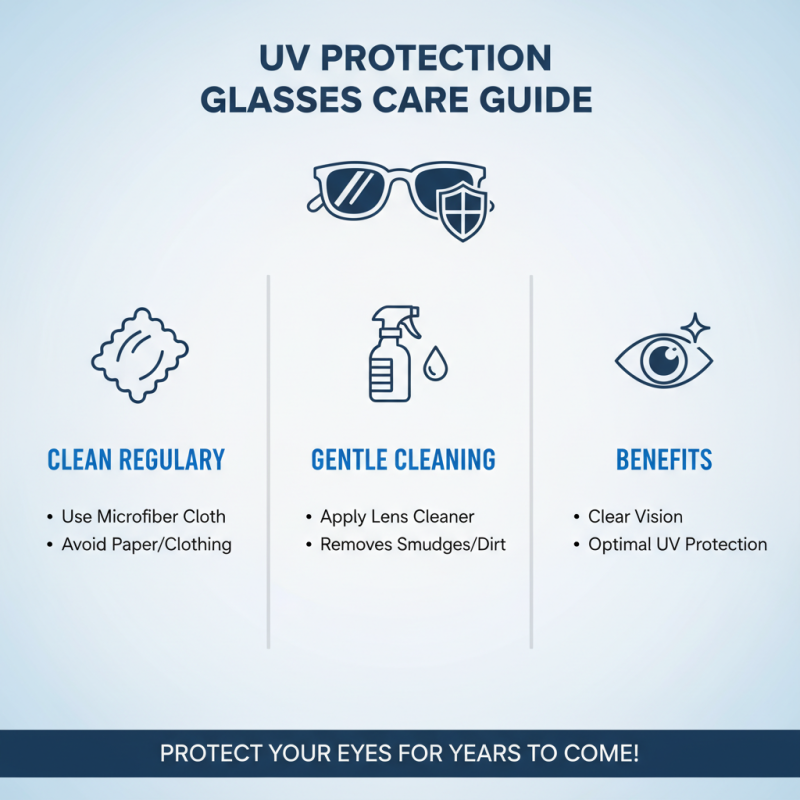
Caring for your UV protection glasses is essential for maintaining their effectiveness and ensuring your eye health for years to come. To start, ensure that you clean your glasses regularly using a microfiber cloth specifically designed for eyewear. Avoid using paper towels or clothing, as these can scratch the lenses. A gentle lens cleaner can be employed if your glasses accumulate smudges or dirt, which helps maintain clear vision and optimal UV protection.
In addition to cleaning, proper storage of your UV protection glasses is crucial. Always store them in a protective case when not in use to prevent scratches and damage. Additionally, be mindful of where you place them; avoid leaving them in high temperatures or direct sunlight, as this can affect the lens coating and overall durability. Regularly inspecting your glasses for any signs of wear, such as lens scratches or a loose frame, can help you identify when it’s time for repairs or replacements, ensuring that your eye protection remains uncompromised.