Why Choose Transition Lenses for Eye Protection and Comfort?
In an increasingly bright and variable world, eye protection and comfort have become paramount concerns for millions. Transition Lenses, which automatically adjust to changing light conditions, provide a practical solution for those seeking to reduce glare and protect their eyes from harmful UV rays. Research indicates that over 80% of individuals report experiencing discomfort from bright sunlight, showcasing a significant need for adaptive eyewear. According to a recent report by the American Academy of Ophthalmology, prolonged exposure to UV radiation can lead to serious eye health issues, such as cataracts and macular degeneration.
Transition Lenses are engineered to darken in bright sunlight and return to a clear state in less illuminated environments, presenting a versatile option for daily wear. A study published in the journal "Ophthalmic and Physiological Optics" revealed that wearing photochromatic lenses like Transition Lenses can significantly enhance visual comfort, with 70% of wearers noting an improvement in their quality of life when outdoors. Furthermore, the convenience of not needing to switch between regular glasses and sunglasses makes Transition Lenses a favored choice among consumers seeking both functionality and style. As the demand for eye protection grows, Transition Lenses stand out as a crucial innovation in modern optometry, merging comfort, safety, and practicality.

Understanding Transition Lenses: An Overview of Their Functionality
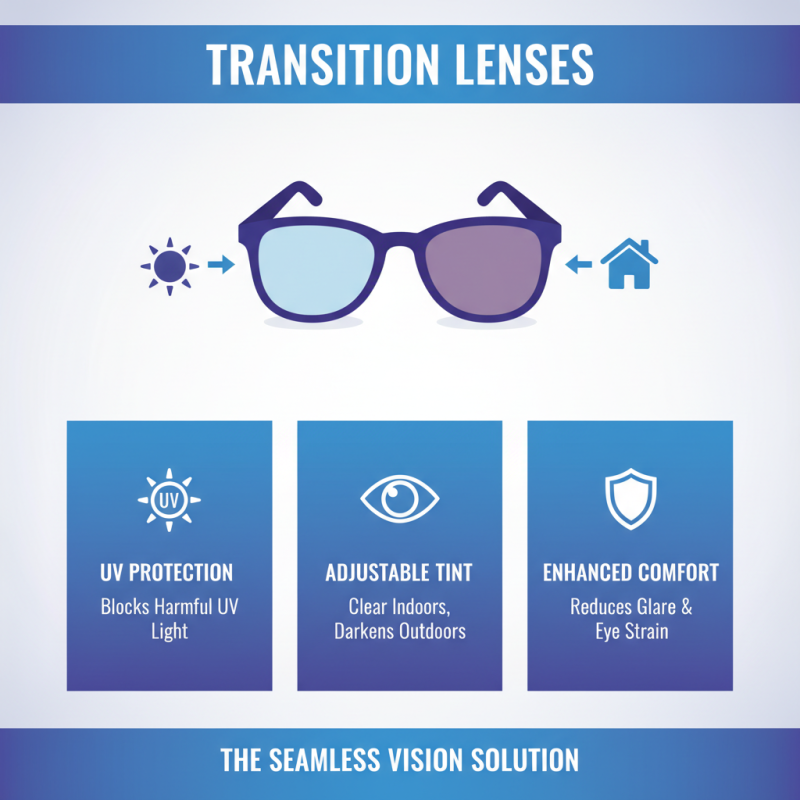
Transition lenses, also known as photochromic lenses, offer a unique solution for those seeking both eye protection and comfort. These lenses automatically adjust their tint based on the amount of UV light exposure, providing a seamless transition from clear indoors to darker outdoors. According to a report by the Vision Council, nearly 77% of eyeglass wearers are concerned about UV exposure when outdoors, making transition lenses an excellent choice for enhancing visual comfort while protecting eye health.
One of the critical functionalities of transition lenses is their ability to block out 100% of UVA and UVB rays, which are known to contribute to various eye problems, including cataracts and macular degeneration. The American Academy of Ophthalmology emphasizes that prolonged exposure to UV rays can cause significant long-term damage. With the automatic darkening feature of transition lenses, wearers can maintain clear vision without needing to switch between regular glasses and sunglasses—something that researchers estimate can lead to a more consistent level of protective eyewear utilization.
Tips for selecting transition lenses include considering the level of darkness you prefer, as certain lenses may offer varying degrees of tint. Additionally, ensure that the lenses adapt quickly to changes in lighting conditions, which can enhance comfort during outdoor activities. Lastly, consult with an eye care professional to determine the best specific features suited for your lifestyle and visual needs, ensuring you get the optimal protection and comfort from your lenses.
Benefits of Transition Lenses for Eye Protection in Various Environments
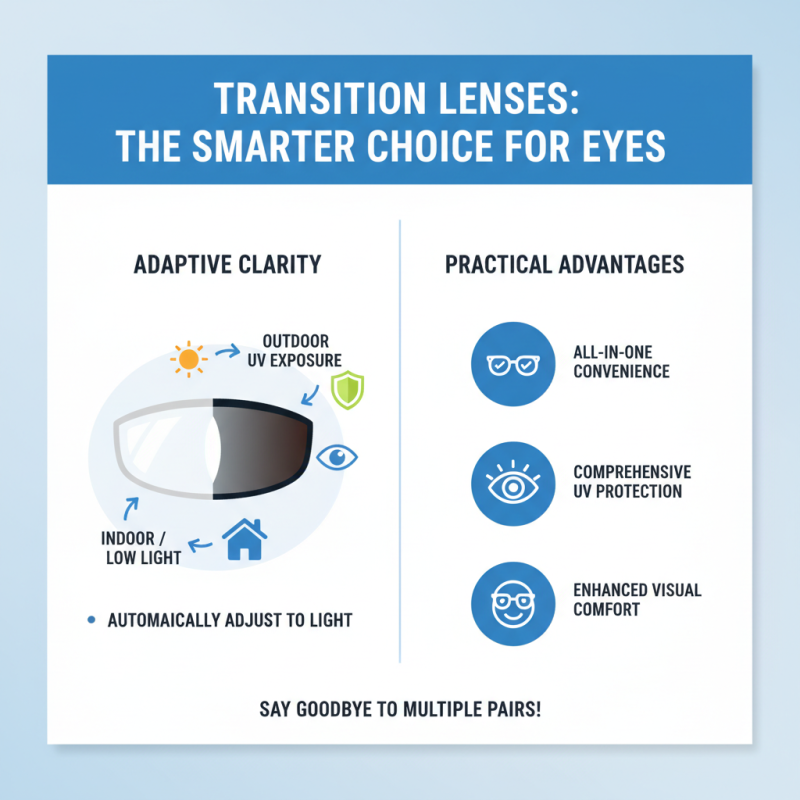
Transition lenses offer significant benefits for eye protection in various environments, making them an excellent choice for individuals who frequently move between indoor and outdoor settings. These lenses are specially designed to adjust their tint according to ambient light conditions; they darken in bright sunlight and revert to a clear state indoors. This transition helps to shield the eyes from harmful UV rays, which can cause long-term damage and increase the risk of cataracts and other eye issues. By effectively blocking both UV radiation and glare, transition lenses contribute to overall eye health and comfort.
In addition to providing essential UV protection, transition lenses enhance visual comfort in diverse lighting conditions. Outdoor environments can often be harsh on the eyes, with bright sunlight and reflective surfaces causing squinting and discomfort. Transition lenses alleviate these issues by adapting to changing light, thus ensuring a more pleasant viewing experience. Furthermore, these lenses help reduce eye fatigue, which is particularly beneficial for those who spend long hours outdoors or transition frequently between different lighting environments, such as professionals working in construction or recreational enthusiasts engaged in outdoor activities. The convenience of having a single pair of glasses that accommodates various conditions makes transition lenses a practical choice for maintaining eye comfort and protection.
How Transition Lenses Enhance Comfort for Different Lighting Conditions
Transition lenses, also known as photochromic lenses, are designed to adapt to varying light conditions, providing optimal comfort and protection for the eyes. As the lenses darken in sunlight and revert to clear indoors, they minimize glare and reduce eye strain. This feature is particularly beneficial for individuals who frequently alternate between indoor and outdoor environments, as it alleviates the need to switch glasses or constantly adjust to changing light levels.
In addition to protecting against harmful UV radiation, transition lenses enhance visual comfort by ensuring clearer vision in diverse lighting situations. For instance, during bright sunny days, the lenses darken to offer shade, which helps to preserve the natural contrast and color perception. Conversely, when moving into a dimly lit area, the lenses lighten quickly, allowing for seamless transition and reducing the risk of temporary blindness that can occur when entering a darker space. This versatility not only improves eye comfort but also contributes to overall visual performance, making transition lenses an ideal choice for those seeking practicality and ease in their daily activities.
Why Choose Transition Lenses for Eye Protection and Comfort? - How Transition Lenses Enhance Comfort for Different Lighting Conditions
| Feature |
Description |
Benefit |
| Adaptive Tint |
Lenses darken in response to sunlight and UV exposure |
Reduces glare and provides comfort in bright conditions |
| UV Protection |
Blocks up to 100% of harmful UV rays |
Protects eyes from long-term damage and enhances visual comfort |
| Clear Indoors |
Lenses remain clear in low light and indoor environments |
Maintains optimal vision without switching glasses |
| Convenience |
Eliminates the need for multiple pairs of glasses |
Saves time and enhances lifestyle flexibility |
| Customization |
Available in various styles and colors |
Allows personal expression while ensuring eye care |
Choosing the Right Transition Lenses: Factors to Consider
When choosing the right transition lenses, several key factors should be considered to ensure optimal eye protection and comfort. One of the most important elements is the lenses' adaptability to varying light conditions. Ideally, transition lenses should darken quickly in bright sunlight and return to a clear state indoors, allowing for seamless transitions throughout your day. It's also essential to assess the lens material, as high-quality materials can enhance durability and scratch resistance while providing superior optical clarity.
Another significant aspect to consider is the level of UV protection offered by the lenses. Effective transition lenses should provide complete UV blocking, safeguarding your eyes from harmful ultraviolet rays. Additionally, the lens tint and color can impact not just aesthetics but also visual comfort and clarity. Individuals who are frequently outdoors may benefit from lenses with specific tints that reduce glare or enhance contrast, providing a clearer view in bright conditions. Ultimately, selecting the right transition lenses boils down to understanding your lifestyle and specific visual needs.
Comparing Transition Lenses with Traditional Sunglasses for Eye Care
Transition lenses have gained popularity for their practical advantages over traditional sunglasses, especially for those seeking comprehensive eye protection and comfort. Unlike regular sunglasses, which can only be worn outdoors, transition lenses automatically adjust to changing light conditions. This feature not only enhances visual clarity but also minimizes the need for multiple pairs of eyewear. When exposed to UV light, these lenses darken, providing effective shielding from harmful rays, while returning to a clear state indoors or in low-light environments.
Tips for Choosing Transition Lenses:
When selecting transition lenses, consider the speed of transition and the degree of tint that suits your lifestyle. It's essential to test various options to ensure you find a pair that adjusts to your preferences efficiently. Additionally, prioritize lenses that block 100% of UV rays to protect your eyes from long-term damage.
Furthermore, traditional sunglasses offer limited benefits during indoor use, as they can hinder vision clarity. In contrast, transition lenses eliminate this issue by providing versatility, making them ideal for those who frequently move between different lighting conditions. This adaptability enhances comfort, reducing eye strain and allowing for seamless transitions throughout your day.