How to Choose the Right Water Pump Casing for Your Needs?
Choosing the right water pump casing is essential for efficiency and functionality. According to industry expert John Smith, "Selecting the right casing can make all the difference in performance." Water pump casings serve as the backbone of the pump’s operation. They protect internal components and facilitate the movement of water.
When considering a water pump casing, factors like material and design are crucial. The casing must withstand pressure and corrosion. For example, stainless steel is often preferred for its durability. However, this option might not always be cost-effective. Balancing quality and budget is vital but can be challenging.
It’s also important to assess the specific application needs. Different projects require different types of casings. A residential setup might need less robust options compared to industrial use. Understanding these distinctions can lead to better decision-making. Embracing the complexities in choosing a water pump casing can prevent frustrating setbacks later on.
Understanding Water Pump Casing Types and Their Applications
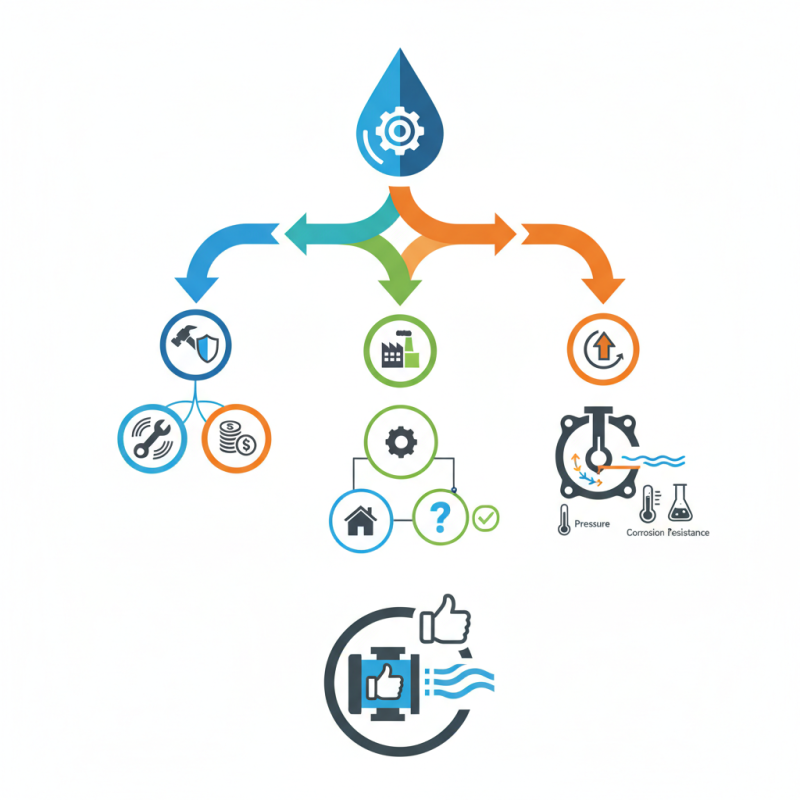
Choosing the right water pump casing is crucial for efficiency and longevity. There are different types available, and each has specific applications. Common types include centrifugal, submersible, and diaphragm casings. According to industry studies, centrifugal casings work best for high flow rates. Submersible casings are ideal for deep well applications. Each type responds differently to pressure and flow demands.
Tips: Always consider the environment where the pump will operate. Harsh conditions may require a more robust casing material. Pay attention to the temperature range as well. Plastic casings are lightweight but may not endure extreme temperatures.
In some cases, users underestimate the importance of material selection. This can lead to frequent breakdowns. For example, stainless steel casings are often more resistant to corrosion than plastic ones. However, they also tend to be heavier and more expensive. Balancing cost and performance is essential. Remember, the right choice will ultimately increase efficiency and reduce maintenance.
Key Factors to Consider When Selecting Water Pump Casings
Choosing the right water pump casing requires careful consideration of several key factors. Materials play a vital role. Common options include cast iron, stainless steel, and plastic. Each has its strengths and weaknesses. For instance, stainless steel is corrosion-resistant but can be more expensive. In contrast, plastic is lightweight and cost-effective, yet may not withstand high pressure.
The application type also matters greatly. For agricultural uses, durability is essential. A casing that withstands outdoor elements is necessary. According to industry reports, over 40% of pump failures stem from inadequate material selection. This highlights the need for thorough research before making a decision.
Flow rate and pressure ratings are crucial. Determine the required specifications based on your needs. Different projects may demand varying capacities. Some users overlook these metrics. This often leads to inefficient operations and increased costs. Regular maintenance is another factor to consider. A casing that is hard to maintain could lead to long-term issues.
Material Choices for Water Pump Casings: Pros and Cons
When selecting a water pump casing, understanding material choices is crucial. Common materials include cast iron, stainless steel, and plastic. Each has distinct advantages and disadvantages.
Cast iron is robust and provides durability. It's often used in large-scale applications. Data from a recent industrial report indicates that cast iron pump casings can withstand high pressures up to 500 psi. However, they are heavy and may rust if not properly maintained.
Stainless steel offers excellent resistance to corrosion. This makes it ideal for chemical or saline environments. Industry experts note that stainless steel can last significantly longer than other materials if properly cared for. Yet, it tends to be more expensive upfront.
Plastic casings are lightweight and resistant to corrosion. They are suitable for smaller pumps and less demanding conditions. However, they may not hold up under high temperature or pressure.
Making the right choice requires weighing these options against your specific needs. It's vital to consider both the environment and the application.
Sizing Water Pump Casings for Optimal Performance
When selecting a water pump casing, sizing is crucial for optimal performance. A well-sized casing ensures efficient operation and prolongs the pump's lifespan. If the casing is too large, it can lead to energy loss. On the other hand, a small casing restricts flow and creates high pressure. This imbalance can result in operational failures or even damage to the pump.
Consider the specific application of the pump. What type of fluid will it handle? Is it viscous or corrosive? The material and size of the casing must match the fluid properties. For instance, a thick fluid requires a casing with a larger diameter. This helps reduce friction and maintain flow rates. Additionally, pump performance can be affected by environmental conditions. Is it situated in a humid or abrasive environment? These factors should inform your decision.
Take time to analyze your needs. Sometimes, we rush the decision, only to face issues later. Mistakes in sizing can lead to costly maintenance or replacements. Reflect on both current requirements and future needs. A slightly larger casing might offer flexibility. However, avoid overestimating; excess size can create unnecessary complications. Finding the right balance in size is key to achieving efficiency and effectiveness in your water pump system.
Water Pump Casing Sizes and Flow Rates
This chart illustrates the flow rates (in Gallons Per Minute) for different sizes of water pump casings. Choosing the right casing size is essential for optimizing pump performance.
Maintenance Tips for Prolonging the Life of Water Pump Casings
Maintaining water pump casings is crucial for their longevity. Regular inspections help identify issues early. Check for corrosion, cracks, and wear. Small problems can lead to larger failures down the line. Cleaning the casing frequently prevents dirt buildup.
Proper storage is another key aspect. If not in use, store the casing in a dry place. This protects it from moisture damage. Seasonal changes can affect the material. A consistent environment is beneficial.
It's easy to overlook these details. Over time, neglect can shorten the casing's lifespan. Even minor wear should not be ignored. Keeping a maintenance schedule can help in tracking issues. Investing time and effort here pays off in the long run.