How to Choose the Best Photochromic Eyeglasses for Your Needs
Choosing the right photochromic eyeglasses can significantly enhance your visual comfort and protection. According to Dr. James Anderson, an expert in optical science, “The right pair of photochromic eyeglasses can change how you experience light.” With so many options available, it’s crucial to understand your unique needs.
Photochromic eyeglasses adapt to varying light conditions. They darken in sunlight and clear up indoors, providing convenience for daily use. However, not all photochromic lenses are created equal. Some may react slower to light changes or may not provide sufficient UV protection. It’s important to consider factors like lens material, coatings, and style.
Consumers often struggle to find the perfect balance between functionality and style. A pair that is too dark may not be ideal for indoor use. On the other hand, lenses that don’t transition quickly can be frustrating outdoors. Your choice should reflect both your lifestyle and aesthetic preferences. Familiarizing yourself with these factors leads to a more informed decision when selecting photochromic eyeglasses.
Understanding Photochromic Eyeglasses: What You Need to Know
Photochromic eyeglasses are a versatile solution for those who need vision correction in varying light conditions. These glasses automatically adjust their tint in response to UV light, providing comfort and protection. According to the American Optometric Association, over 90% of consumers benefit from photochromic features. However, understanding how these lenses work is essential to making an informed choice.
When choosing photochromic eyeglasses, consider your lifestyle and specific needs. For instance, some lenses may darken more quickly in bright sunlight, while others may remain clear indoors. The type of lens material also affects performance. Polycarbonate lenses, known for their impact resistance, often provide better photochromic responses than standard plastic.
Tips: Assess your typical usage. If you spend significant time outdoors, select lenses with a faster transition time. Look for those that block 100% of UVA and UVB rays. Remember, not all photochromic lenses perform equally, and some may fade more quickly than others.
Be aware that indoor lighting can impact lens activation. In lower UV environments, you may find the lenses remain lighter. This can lead to discomfort if you frequently transition between light conditions. It's essential to test different options to find the right fit for you.
Factors to Consider When Choosing Photochromic Lenses
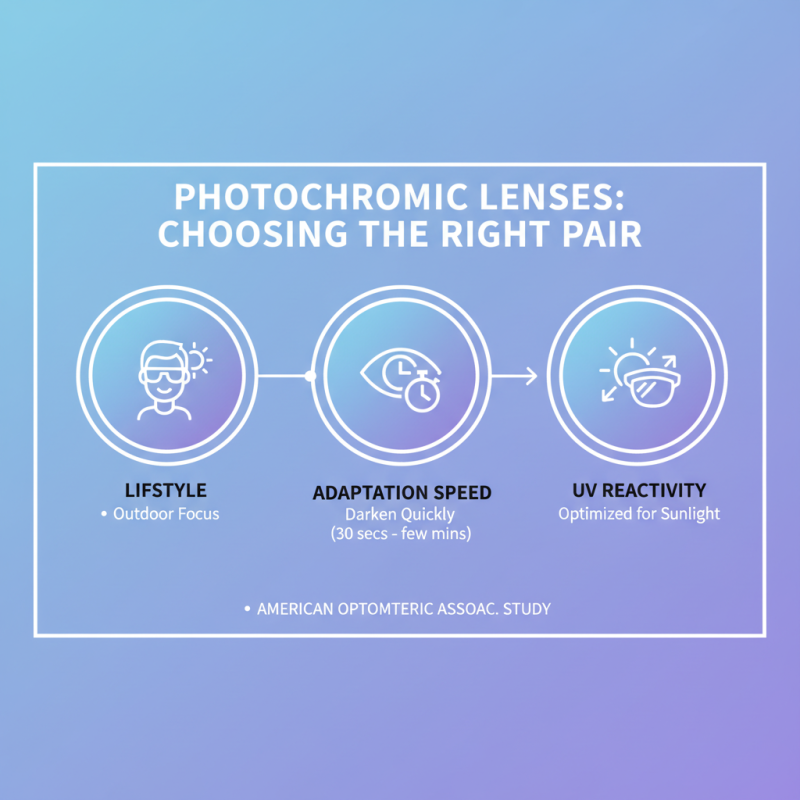
When selecting photochromic lenses, several critical factors can enhance your decision-making. The primary aspect to consider is your lifestyle. For those spending ample time outdoors, lenses that darken quickly are essential. A study by the American Optometric Association indicates that lenses can take anywhere from 30 seconds to several minutes to reach full tint. Understanding how they react to UV light will help in choosing the right product for your outdoor needs.
Another factor is the lens material. Polycarbonate lenses are lighter and more impact-resistant, making them suitable for active lifestyles. However, they may scratch more easily compared to high-index plastic frames. According to recent industry reports, around 44% of photochromic users note durability as a significant concern. This highlights the necessity of considering the trade-offs between weight, comfort, and resilience.
Color options also play a vital role. Different tints can impact visibility in various environments. A survey from the Vision Council showed that 72% of users preferred grey and brown lenses for outdoor activities due to their natural color perception. However, embracing other shades like amber can improve contrast during variable lighting conditions. Emphasizing personalized needs is crucial when navigating these choices, as not every lens will perform perfectly for all situations.
Different Types of Photochromic Eyeglasses Available
When selecting photochromic eyeglasses, understanding the different types available is essential. Most photochromic lenses fall into two main categories: standard lenses and polarized lenses.
Standard lenses react to UV light, darkening when exposed to sunlight. They are practical for daily outdoor use. However, they might not provide full protection from bright glares.
Polarized photochromic lenses offer enhanced vision. They reduce glare from surfaces like water or roads. This is especially useful for outdoor enthusiasts and drivers. However, these lenses can sometimes feel too dark indoors. A person may need readjustment time when transitioning from bright to dim areas.
Another option is photochromic lenses with added blue light filtering. These lenses provide protection from digital screens. More people are using devices than ever, making this an attractive option. Still, some users might find these lenses do not always darken enough outdoors.
It's important to consider lifestyle needs and activities before making a decision. Ultimately, choosing the right type can enhance your experience.
How to Assess UV Protection and Lens Quality
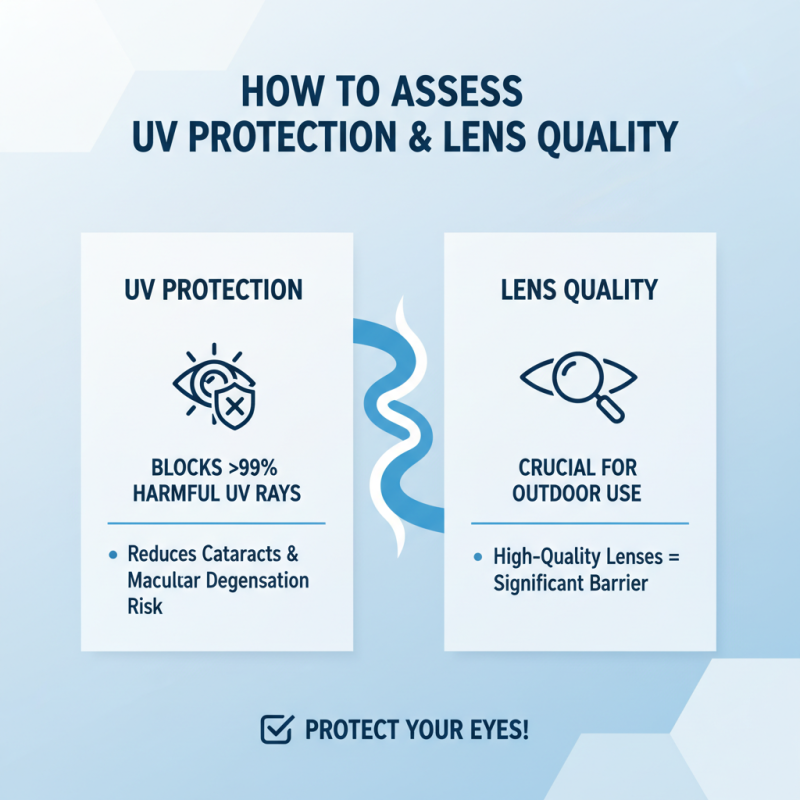
Choosing photochromic eyeglasses involves understanding two crucial aspects: UV protection and lens quality. Studies show that over 99% of harmful UV rays can be blocked by high-quality lenses. This marks a significant protective barrier for your eyes, particularly for those who spend extended hours outdoors. Proper UV protection helps reduce the risk of cataracts and macular degeneration, conditions that can result from prolonged UV exposure.
Lens quality is equally important. Look for lenses that meet international standards for optical clarity. Poor-quality lenses can distort vision and lead to long-term eye strain. A reputable source indicates that nearly 30% of the population experiences discomfort from inadequate lens quality. When selecting lenses, consider those with additional coatings, such as anti-reflective or scratch-resistant finishes. These features enhance durability and visual comfort.
In summary, being informed about UV protection and lens quality can lead to better choices. Opting for lenses that filter out dangerous UV rays and offer superior clarity ensures a healthier visual experience. Regular assessments of your eyewear choices can prevent potential issues related to poor quality and inadequate protection.
Choosing the Right Frame for Your Photochromic Eyeglasses
Choosing the right frame for your photochromic eyeglasses is crucial for both aesthetics and functionality. According to a report by the Optical Research Association, nearly 70% of consumers prioritize comfort in their eyewear choices. The frame material significantly impacts comfort levels. Lightweight materials like titanium or thermoplastics can enhance wearability. Choosing a frame that complements your face shape can also affect overall comfort and appearance.
Frame size is another key factor. Ill-fitting frames may cause discomfort and even lead to headaches. A 2022 survey indicated that 55% of users complained about sizing issues. Ensure the frame sits well on your nose and does not pinch your temples. Considerations like temple length and bridge width are essential for a proper fit.
**Tip:** When trying on frames, wear them for at least 15 minutes. This trial period helps you gauge comfort levels better.
Additionally, color can influence how effectively your photochromic lenses adapt to light changes. Lighter frame colors can appear more casual, while darker colors often convey professionalism. Make a choice that aligns with your lifestyle. Ultimately, the right frame combines style, comfort, and performance. Ensure your choice enhances your photography experience while reflecting your personal style.
Photochromic Eyeglasses Frame Material Preference