How to Choose the Right Prescription Lenses for Your Glasses?
Choosing the right Prescription Lenses can feel overwhelming. With so many options available, knowing what to look for is essential. Dr. Emily Carter, a leading optometrist, emphasizes, "Quality lenses can make a significant difference in your vision comfort." This highlights the importance of making informed choices.
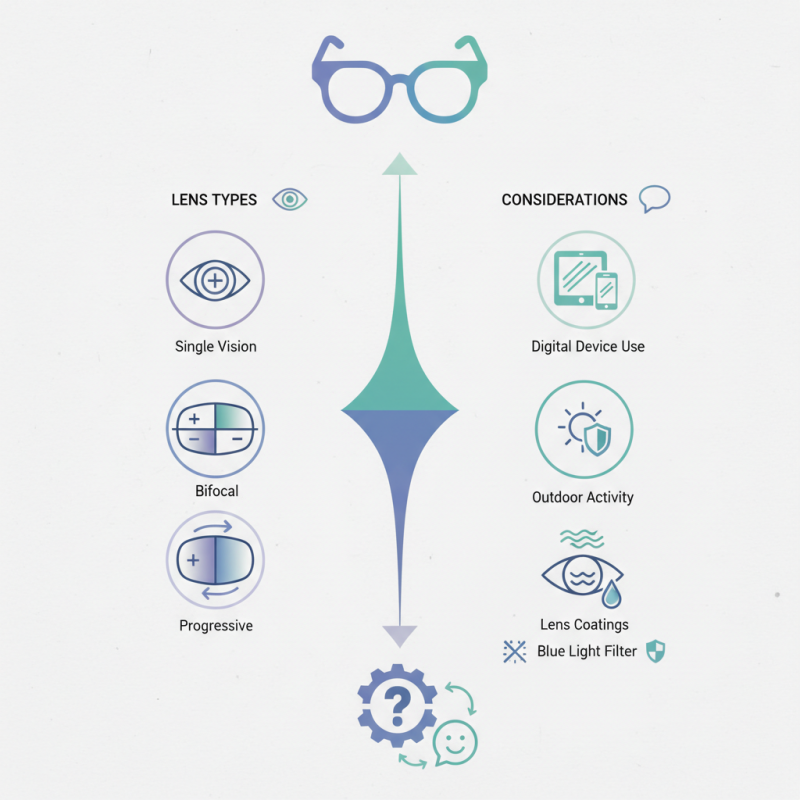
Prescription Lenses are more than just corrective eyewear. They encompass various types, including single vision, bifocal, and progressive lenses. Each type serves different needs and lifestyles. For instance, progressive lenses provide a seamless transition between distances. However, many people struggle to adapt.
It’s crucial to assess your daily activities and visual needs. Think about how often you use digital devices or spend time outdoors. Sometimes, choosing the wrong lens can lead to discomfort or visual strain. Many overlook the significance of lens coatings too. Anti-reflective and blue light filtering coatings offer added benefits. Reflecting on your choices can ultimately enhance your overall experience with Prescription Lenses.
Understanding Your Vision Needs: Types of Vision Impairments
Choosing the right prescription lenses depends heavily on understanding your vision needs. Vision impairments come in various forms. Some people struggle with nearsightedness, and others with farsightedness. Each condition alters how you perceive the world. When it comes to nearsightedness, distant objects become blurry. In contrast, those with farsightedness find close objects challenging to see.
Astigmatism is another common issue. This condition causes blurred vision at all distances, making daily activities difficult. If you squint often or experience eye strain, it might indicate astigmatism. Presbyopia affects many as they age, resulting in difficulty focusing on nearby tasks. Reading small print can become frustrating. Each of these impairments requires specific solutions, so it’s essential to consult an eye care professional.
When selecting lenses, consider your lifestyle. Do you spend hours on the computer? Blue light filtering lenses may be beneficial. Outdoor lovers might prefer sunglasses that offer UV protection. Multifocal lenses can accommodate different vision zones, but they might feel strange initially. Embrace the adjustment period; every person's journey with their vision is unique. Don't overlook your own comfort and preferences; they are just as important.
Exploring Different Types of Prescription Lenses Available
Choosing the right prescription lenses can significantly improve vision. There are various options available today. Each type serves a unique purpose.
Single vision lenses are the most common. They provide one prescription for either distance or reading. About 65% of glasses users choose this option. Bifocal lenses, on the other hand, have two prescribed sections. They allow wearers to see both near and far. Many people find them helpful, but some struggle with the visible line.
Progressive lenses are becoming increasingly popular. They offer a gradient of vision correction without lines. Approximately 41% of users prefer progressives, according to recent studies. However, adapting to these lenses isn't always easy. Some report discomfort or distortion. Each lens type has its pros and cons. It’s essential to weigh these options carefully. Personal comfort and lifestyle should guide the decision.
How to Choose the Right Prescription Lenses for Your Glasses? - Exploring Different Types of Prescription Lenses Available
| Lens Type |
Description |
Benefits |
Considerations |
| Single Vision |
Lenses that have one prescription throughout, for nearsightedness or farsightedness. |
Easy to adapt, great for everyday use. |
Not suitable for multiple vision corrections. |
| Bifocal |
Lenses with two distinct optical powers, with a visible line separating them. |
Good for people who need help with both distance and reading. |
Can be stigmatizing due to visible lines, may cause image jump. |
| Progressive |
Lenses that offer a smooth transition between multiple focal points without visible lines. |
Versatile and aesthetically pleasing, ideal for varied vision needs. |
May require an adaptation period, can be pricier. |
| Photochromic |
Lenses that darken in sunlight and become clear indoors. |
Convenient for those who frequently move between indoor and outdoor settings. |
May not darken sufficiently in vehicles, slower to change back. |
| Blue Light Blocking |
Lenses designed to filter out harmful blue light from screens. |
Reduces eye strain and may improve sleep quality when used in the evening. |
Color distortion can be a concern; not all users may feel the benefit. |
Factors to Consider When Choosing Lens Materials
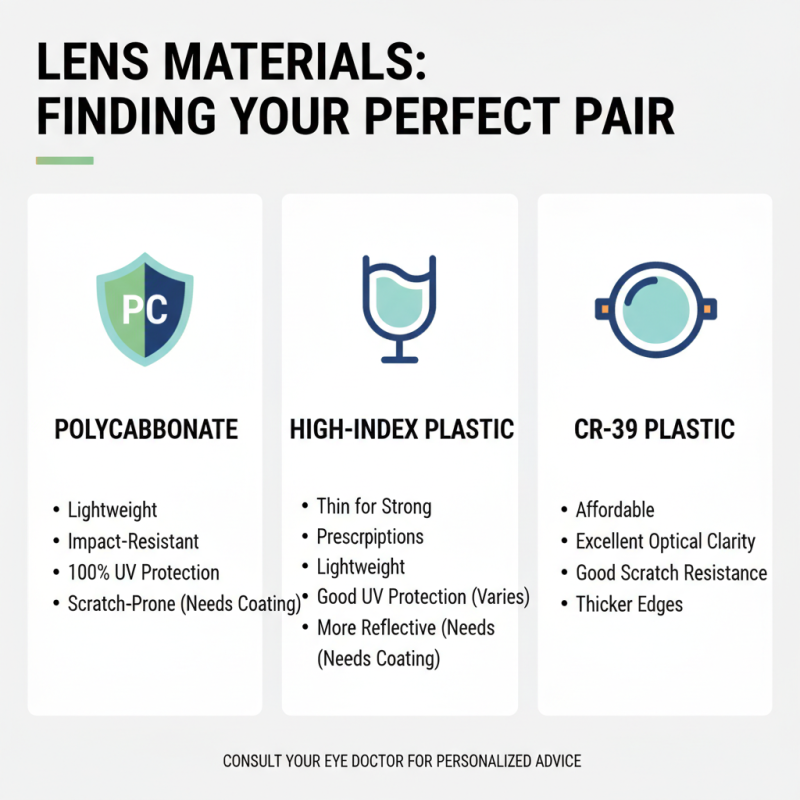
Choosing the right lens material for your glasses can vastly improve comfort and functionality. Various materials offer distinct advantages and drawbacks. For example, polycarbonate lenses are lightweight and impact-resistant. They block 100% of UV rays. However, they can scratch more easily than other materials.
Another popular choice is high-index lenses. They are thinner and lighter than standard plastic lenses. This makes them ideal for people with strong prescriptions. According to a report by the Vis-optical Association, over 50% of users prefer high-index lenses for their aesthetic appeal. Still, they can be more expensive, posing a challenge for budget-conscious consumers.
Glass lenses are another option. They provide excellent optical clarity and scratch resistance. However, their weight may be cumbersome for some users. Some might overlook the discomfort that heavier lenses can create. Ultimately, understanding the features and limitations of each material is crucial. It allows users to make informed choices that best fit their lifestyles and visual needs.
The Importance of Lens Coatings for Enhanced Comfort and Protection
Lens coatings play a vital role in enhancing comfort and protection for eyewear users. They can reduce glare, enhance vision clarity, and protect against scratches.
Anti-reflective coating minimizes reflections, allowing more light to pass through the lenses. This is particularly beneficial for night driving or working on screens. With less glare, you can enjoy clearer vision in various lighting conditions.
When choosing lens coatings, consider your lifestyle. If you're often outdoors, UV protection is critical. It safeguards your eyes from harmful sun rays. Certain coatings repel water and dirt too, making lenses easier to clean. Reflective coatings can be a great option for those who spend most of their day in front of digital screens.
Tips: Always ask your eye care professional about coating benefits. Understand how each type of coating affects your vision. This will help you make an informed choice. Invest time in exploring your options. Sometimes, what works for someone else might not suit your needs. Take the time to reflect on your daily activities.
Consulting with an Eye Care Professional for Personalized Advice
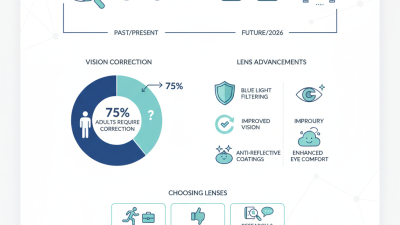
When it comes to prescription lenses, professional guidance is crucial. An eye care specialist can assess your vision needs accurately. They consider factors like lifestyle, occupation, and health history. According to the American Optometric Association, around 75% of adults require some form of vision correction. This statistic highlights the importance of personalized advice.
Your lenses must match your visual demands. For instance, if you work on digital devices a lot, blue light blocking lenses may help. You can also explore anti-reflective coatings for clearer vision and less glare.
Tips: Always ask about lens materials. Some are more scratch-resistant than others. Also, inquire about lens types. Single vision, bifocals, or progressives all serve different needs.
It’s common to feel overwhelmed choosing the right lenses. Take your time and don’t hesitate to voice concerns with your eye care provider. They can tailor their recommendations based on your specific situation. Balancing personal preferences with expert advice is essential in this process.
How to Choose the Right Prescription Lenses for Your Glasses?
This chart illustrates the percentage of different types of prescription lenses preferred by individuals based on their vision needs. Understanding these preferences can help you make an informed choice in consultation with your eye care professional.