How to Source Semi-Finished Lens for Your Business Needs?
In the ever-evolving optics industry, sourcing semi-finished lenses presents both challenges and opportunities. The demand for semi-finished lenses is projected to grow at a CAGR of 5.4% from 2023 to 2028, driven by advancements in technology and rising consumer needs. According to industry expert Dr. Emily Carter, "The future of optics lies in our ability to adapt and source quality semi-finished lenses efficiently."
Businesses face hurdles in selecting the right suppliers. Quality assurance, lead times, and cost-effectiveness are critical factors. The need for customization also complicates the sourcing process. A survey by the Global Optical Association highlighted that 77% of manufacturers reported difficulty in finding reliable semi-finished lens suppliers.
Moreover, supply chain disruptions have affected many businesses in the last few years. Companies are compelled to rethink their sourcing strategies. Engaging with multiple suppliers can mitigate risks but may reduce consistency in quality. Finding trusted partners in this intricate web of suppliers can be daunting yet vital for growth.
Understanding Semi-Finished Lenses: Definition and Applications
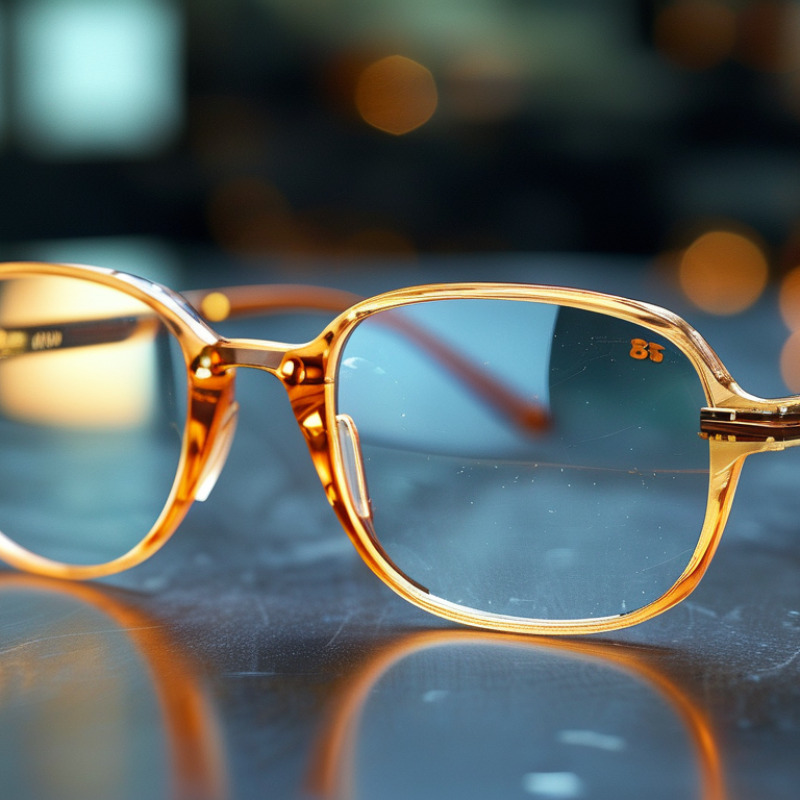
Semi-finished lenses are a crucial component in the optical industry. These lenses are partially completed products that require specific processing to meet unique customer needs. With advancements in technology, the demand for personalized vision solutions has surged. According to a recent industry report, the global semi-finished lens market is projected to grow significantly, reaching an estimated value of $2.5 billion by 2025.
Understanding the applications of semi-finished lenses is essential. They serve various sectors, including eyewear, automotive, and medical devices. Each application has distinct requirements. For example, in eyewear, semi-finished lenses can be customized for progressive or bifocal designs, catering to different visual deficiencies. Studies have shown that nearly 70% of consumers prefer lenses tailored to their specific vision needs, highlighting the importance of sourcing quality semi-finished products.
While sourcing these lenses, businesses can face challenges. Factors like quality control and production lead times are often overlooked. Ensuring the right specifications can impact customer satisfaction. A survey indicated that about 40% of manufacturers encountered issues with lens consistency. Reflecting on these challenges can guide businesses in refining their sourcing strategies for better performance in an increasingly competitive market.
Semi-Finished Lenses Production by Type
Identifying Your Business Requirements for Lens Sourcing
Identifying your business requirements for sourcing semi-finished lenses is crucial. Understand the specific types of lenses you need. Consider whether you require single vision, bifocal, or multifocal lenses. Each type serves a different market and has distinct characteristics. Determine your target customer base as their needs will influence your product selection.
Analyze your production capacity. How many lenses can you realistically handle at a time? If you're growing, make sure your sourcing can scale with you. Assess the quality specifications for the lenses. High-quality lenses will attract more customers, but also may come with a higher cost. Weigh the trade-offs carefully.
Finally, think about delivery timelines. Do you need lenses quickly, or can your business accommodate longer lead times? Establishing a clear understanding of your requirements will help you avoid potential pitfalls in the sourcing process. Misalignment can lead to unsatisfied customers or excess inventory. Be ready to revisit your needs as your business evolves. This continuous reflection ensures your sourcing strategy remains effective and relevant.
Researching Reliable Suppliers for Semi-Finished Lenses
When sourcing semi-finished lenses, identifying reliable suppliers is crucial. The semi-finished lens market is projected to grow significantly, with a compound annual growth rate (CAGR) of 7.2% from 2021 to 2028, according to industry reports. This growth reflects the increasing demand across various sectors, including eyewear and automotive applications.
To find trustworthy suppliers, start by researching industry certifications. A supplier with ISO certification indicates adherence to quality management standards. Additionally, verifying their production capabilities, like machinery and technology, can give insights into their reliability. Engaging in forums or professional groups can provide valuable feedback from other businesses regarding suppliers’ performance.
Not all suppliers will meet your expectations. It's essential to consider their lead times and minimum order quantities, which can sometimes be impractical. Striking a balance between cost and quality is often challenging, as lower prices may correlate with subpar quality. Conducting pilot orders can help test a supplier’s efficiency before committing to larger transactions. This approach requires patience but can prevent costly mistakes in the long run.
Evaluating Quality Standards and Specifications for Lenses
When sourcing semi-finished lenses, quality standards play a crucial role. Evaluating the specifications of lenses is essential for ensuring optimal performance. A well-defined standard ensures that the lenses meet the required optical and mechanical properties. The evaluation process begins with understanding the material used. Optical glass, plastic, and specialized coatings can affect clarity, durability, and weight. Each choice brings its own set of advantages and disadvantages.
Measuring optical precision is vital. This includes checking the refractive index, surface quality, and lens curvature. Even minimal deviations can lead to unsatisfactory results. Companies must consider how a lens will be treated during its lifecycle. Will it face environmental stress or user handling? This reflection informs the necessary durability standards. Additionally, testing protocols should be established. This transparency not only assures quality but also builds trust with clients.
Engaging with suppliers about their quality management systems can provide insight into their reliability. Yet, not all suppliers may meet expectations. It requires commitment and often repeated evaluations to ensure compliance with standards. Finding the right balance between cost and quality is another challenge. Quality should never be compromised for price, but budget constraints do exist. It’s a complex landscape that requires careful navigation to achieve satisfactory outcomes.
Establishing Effective Communication with Lens Manufacturers
Effective communication with lens manufacturers is critical for sourcing semi-finished lenses. It fosters a collaborative environment where both parties can understand needs clearly. For instance, a recent industry report indicated that over 70% of businesses face challenges due to miscommunication. These issues can lead to delays and increased costs, emphasizing the need for clarity.
To establish effective communication, define your requirements explicitly. This includes lens specifications, intended application, and production timelines. Industry experts suggest using visual aids and prototypes. These tools can bridge understanding gaps and align expectations. In one case, a company improved its production efficiency by 30% after implementing visual prototypes during discussions with suppliers.
Building long-term relationships is vital. Regular check-ins and updates can help ensure everyone stays on track. A report by the Optical Manufacturers Association shows that companies engaging in regular communication with suppliers see a 25% reduction in lead times. However, remember that not every interaction will run smoothly. Reflecting on missteps can lead to better strategies in future collaborations. Being open to feedback is essential for improvement.