Single Vision Lenses Tips for Choosing the Right Pair?
Choosing the right pair of Single Vision Lenses can enhance your daily life. The right lenses improve clarity for single vision tasks. Whether reading or driving, the right choice is essential.
Many options exist, yet selecting the best can be challenging. Factors like lens material and coating matter. Frame style affects comfort and look too. Complex choices can lead to confusion, making the decision difficult. Remember, not every lens fits everyone.
Consider your lifestyle when selecting lenses. Frequent readers need different features compared to occasional users. Comfort is key, but aesthetics shouldn't be overlooked. Aim for lenses that suit your unique needs and personal style. Each choice has its pros and cons. Reflect and choose wisely.
Understanding Single Vision Lenses and Their Purpose
Single vision lenses are designed to correct vision at one distance, whether it’s near or far. They are simple yet effective. Many people rely on them daily. It’s essential to understand their purpose before making a choice. Single vision lenses can help with tasks like reading or driving. This clarity can improve overall quality of life.
Choosing the right pair involves considering your lifestyle. Do you spend hours reading? Or is driving your main concern? Think about your daily activities. This ensures you select lenses that fit your needs. Additionally, not all lenses are created equal. You may find some uncomfortable. Reflection and trial can help in this journey.
Frames play a crucial role too. The perfect frame should match your facial features and fit well. Balance style and functionality. A pair that looks good but feels uncomfortable won't serve you well. Keep in mind that it’s okay to try several options before settling. Your eyes deserve the best.
Identifying Your Prescription Needs for Single Vision Lenses
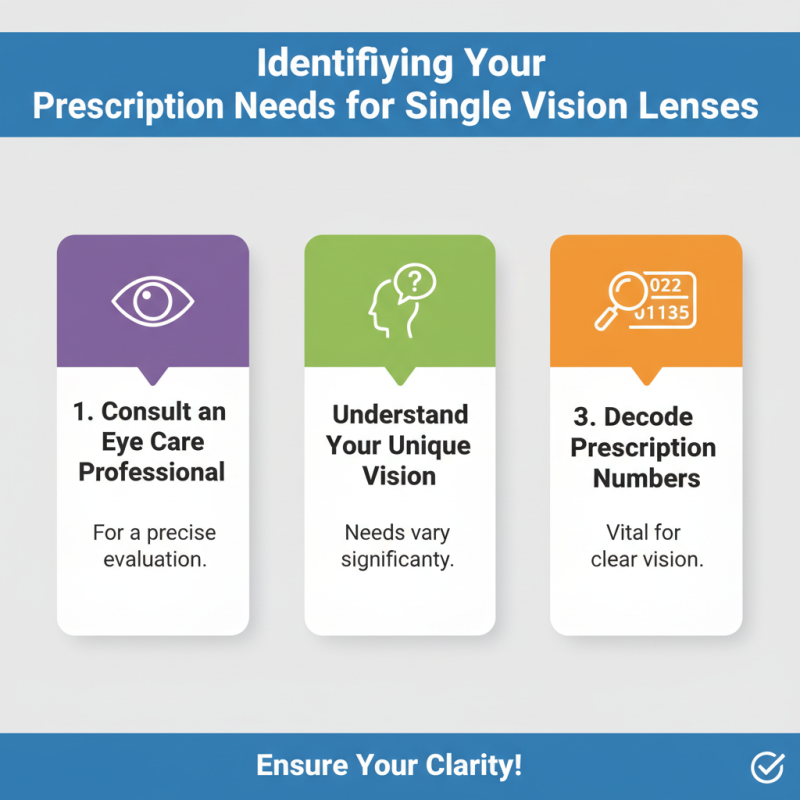
Choosing the right single vision lenses starts with understanding your prescription needs. It is essential to consult with an eye care professional for a precise evaluation. This assessment considers your unique vision requirements, which vary significantly among individuals. Prescription numbers can seem confusing, but they are vital to ensure clear vision.
Consider your primary use for the lenses. Are they for reading, distance, or computer work? Communicating your lifestyle needs to your eye care provider is crucial. You might find yourself getting a prescription that feels off. This can happen if you don't accurately describe how you use your eyes daily. Sometimes, people overlook minor visual tasks, impacting their comfort later.
Remember, the lens material matters too. Different materials offer varying levels of thickness and weight. Thicker lenses can distort vision at the edges, and that's something to think about. Also, consider additional treatments, like anti-reflective coating or blue light blocking. These options might be overlooked initially but can enhance the wearer’s experience significantly. Not paying attention to these details can lead to regret down the road, so take your time in making decisions.
Selecting the Right Lens Material for Your Lifestyle
When selecting single vision lenses, the material plays a crucial role in your overall experience. Choosing the right lens material can enhance comfort, durability, and clarity. Popular options include plastic, polycarbonate, and high-index lenses. According to the Vision Council, about 70% of consumers prefer lighter lenses, making polycarbonate a great choice. It's impact-resistant and ideal for an active lifestyle.
Tips: Always consider your daily activities. If you play sports, polycarbonate lenses provide the best protection. For office workers, high-index lenses can reduce thickness and weight. Many people overlook UV protection. Ensure your lenses block 100% of harmful UV rays.
Not all lens materials are the same. While plastic lenses are affordable, they can scratch easily. High-index lenses, while thinner, are more expensive. The choice often reflects personal lifestyle needs versus budget. Potential buyers should not rush. Take time to understand how lens materials match your daily life. Each choice has its own pros and cons. Think about your vision needs carefully.
Choosing the Appropriate Lens Coatings and Treatments
Choosing the right lens coatings can significantly enhance your vision experience. Many individuals underestimate their importance. Anti-reflective coatings are particularly beneficial. They reduce glare, improve clarity, and make lenses appear nearly invisible. According to a recent optical industry report, nearly 70% of consumers prefer lenses with this coating.
Scratch-resistant treatments are another essential consideration. Everyday activities can lead to scratches. A good treatment can prolong the life of your lenses. Studies show that lenses with scratch resistance last 25% longer than those without. However, not all treatments are created equal, and some may wear off faster than expected.
Additionally, considering UV protection is crucial. Prolonged exposure to UV rays can harm your eyes. Lenses with UV coatings block up to 99% of harmful rays. Yet, many people still overlook this feature. It's often underrepresented in decision-making. Investing in appropriate coatings benefits your vision and overall eye health.
Ensuring Proper Fit and Comfort for Your Eyewear
When choosing single vision lenses, ensuring the right fit and comfort is crucial. A study from the American Optometric Association indicates that nearly 70% of eyewear users experience discomfort due to poor fit. Ill-fitting glasses can lead to headaches and eye strain. It's essential to take accurate measurements of your face. Visit an optician for precise details.
The frame's material impacts comfort significantly. For instance, lightweight materials reduce pressure on your nose and ears. According to The Vision Council, almost 60% of eyewear wearers prefer lightweight frames. Pay attention to the bridge size and temple length to prevent slipping. If glasses slide down your nose, it’s time to adjust. Comfort should always come first.
Remember, aesthetics matter, but fit trumps style. A well-fitted pair will look better and function efficiently. Reviews often overlook this. People focus on designs and colors, but comfort can’t be disregarded. A beautiful frame isn’t worth a headache. Opt for larger lenses if your prescription requires it. This reduces peripheral distortion and enhances visual clarity. Adjustments may be necessary after purchase; don’t hesitate to seek help. Prioritize your comfort—the right pair should feel almost weightless.
Single Vision Lenses Tips: Choosing the Right Pair