Top Bedding Fabric Suppliers for Quality and Comfort?
In the world of bedding fabrics, choosing the right supplier is crucial for quality and comfort. Recent industry reports indicate that the global bedding market is projected to reach USD 102.96 billion by 2024. This growth underscores the importance of considering the best bedding fabric suppliers. According to textile expert Dr. Jane Mitchell, "The choice of fabric can significantly affect sleep quality."
With various materials available, from cotton to polyester, each has its unique attributes and drawbacks. Some materials may breathe well but lack durability. Others may be appealing in appearance, yet they might not withstand frequent washing. The diversity in bedding options is vast, but it can also lead to confusion. Consumers often grapple with overwhelming choices that can muddy their decision-making process.
Many bedding fabric suppliers also emphasize sustainability, tapping into eco-friendly materials. This trend is growing, yet it raises questions about long-term performance. A balance between comfort, durability, and environmental responsibility is essential. Finding the right supplier who aligns with personal values can enhance the overall bedding experience.
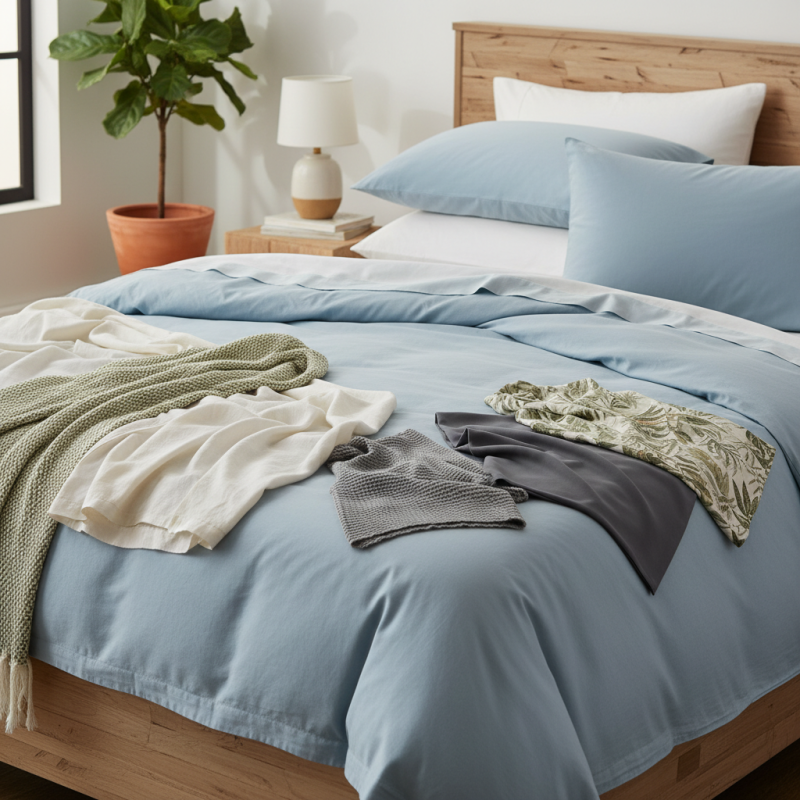
Overview of Bedding Fabrics and Their Importance in Quality and Comfort
Bedding fabrics play a crucial role in ensuring quality and comfort. The choice of fabric affects not only the aesthetic appeal but also the overall sleeping experience. Common bedding materials include cotton, linen, and synthetic blends. Cotton is breathable and soft, while linen offers a crisp feel. However, not all cotton is created equal, and some blends can feel less comfortable than pure fabric.
When selecting bedding fabrics, consider how they react to temperature. Natural fibers often breathe better and promote airflow. Synthetic fabrics, on the other hand, can trap heat. This is important for a good night’s rest. Invest in materials that wick moisture away. This helps you stay dry, especially during warmer nights.
Tips: Look for detailed fabric labels. They can guide you in making informed choices. Feel the fabric before buying. A small sample can help in evaluating comfort. Sometimes, price does not equal quality, so do some research. Not every high-priced item guarantees comfort or longevity. Taking the time to assess your options pays off in sleep quality.
Top Bedding Fabric Quality and Comfort Ratings
Key Materials Used in Bedding Fabrics: A Comprehensive Guide
Bedding fabrics play a crucial role in our daily comfort. Understanding the key materials is essential. Cotton remains the most popular option. According to industry reports, it accounts for about 50% of the market share in bedding. Its breathability and softness make it ideal for all seasons. Bamboo fabric is gaining traction too. It offers natural moisture-wicking properties. Studies show that it can reduce allergens, which is a growing concern for many.
Another significant material is polyester. It is often blended with cotton to enhance durability. This blend combines comfort with longevity, appealing to budget-conscious consumers. Silk, while luxurious, poses challenges. It requires special care and can be quite expensive. The recent trends point toward sustainable fabrics. Eco-friendly choices like Tencel are on the rise. Market research indicates that consumers are increasingly seeking environmentally responsible options.
Despite the advancements, there are concerns. Not all consumers know the differences between materials. This knowledge gap could lead to unsatisfactory purchases. Many settle for what's available, foregoing quality for price. There's also inconsistency in manufacturing standards. While some suppliers uphold high quality, others do not, leading to confusion in the marketplace. Understanding these intricacies is vital for making informed choices.
Top Suppliers of Bedding Fabrics: Criteria for Selection
Choosing the right bedding fabric is crucial for ensuring comfort. Several factors influence this decision. First, fabric breathability plays an essential role. Breathable materials help regulate body temperature. They provide a cool and comfortable sleep experience.
Another important criterion is the fabric's softness. Soft fabrics enhance the feeling of luxury against the skin. A touch test can be beneficial. However, fabrics that feel soft may not always perform well in terms of durability. It’s important to find a balance between softness and longevity.
Sustainability is becoming increasingly relevant. Many suppliers now offer eco-friendly fabrics. These materials minimize environmental impact. Yet, quality should not be compromised in the name of sustainability. Some eco-friendly options may not meet comfort expectations. It's essential to research and reflect on these trade-offs when selecting bedding fabrics.
Highlighting Leading Bedding Fabric Brands: Features and Benefits
When considering bedding fabric, quality and comfort are paramount. Many consumers often overlook the importance of fabric types. Cotton, for instance, is favored for its breathability. A recent study shows that 60% of consumers prefer cotton for its softness and moisture-wicking properties. However, it's essential to note that not all cotton is equal. Some varieties lack durability; they might not withstand frequent washes.
Another popular choice is linen. It offers a unique texture that many find appealing. Linen is naturally temperature-regulating, making it suitable for all seasons. However, its tendency to wrinkle can deter some users. About 40% of linen buyers express a desire for smoother alternatives. This raises questions about whether comfort should come at the expense of aesthetics.
Sustainable options are also gaining traction. Fabrics made from bamboo or organic cotton are increasingly popular. A report states that the demand for eco-friendly textiles has surged by 25% over the past three years. Still, sustainability can come with higher costs, which may not sit well with budget-conscious shoppers. Choices in bedding fabric reflect personal values, needs, and preferences but can lack clarity in the marketplace.
Top Bedding Fabric Suppliers for Quality and Comfort
| Fabric Type | Material Composition | Features | Benefits |
| Cotton | 100% Cotton | Breathable, soft, hypoallergenic | Excellent comfort and moisture-wicking |
| Microfiber | Polyester Blend | Stain-resistant, durable, lightweight | Easy maintenance and vibrant colors |
| Bamboo | Bamboo Viscose | Moisture-wicking, eco-friendly, anti-bacterial | Good for sensitive skin and temperature regulation |
| Linen | Flax Fiber | Highly absorbent, breathable, natural texture | Provides cooling effect in hot weather |
| Tencel | Lyocell | Soft, biodegradable, moisture control | Sustainable choice with luxurious feel |
Sustainability in Bedding Fabrics: Choosing Eco-Friendly Options
When selecting bedding fabrics, sustainability plays a crucial role. Eco-friendly options can enhance comfort while reducing environmental impact. Organic cotton, for instance, is grown without harmful pesticides. Its soft texture offers a great sleeping experience, but availability can sometimes be an issue.
Another choice is linen, made from the flax plant. It's naturally biodegradable and requires less water. Linen breathes well, keeping you cool at night. However, it may wrinkle easily, which can be off-putting for some.
Bamboo fabric is versatile and has natural antibacterial properties. It’s a thoughtful choice for those with sensitive skin. Yet, not all bamboo fabrics are created equal, as some processes can be harmful. Understanding sourcing and production methods is essential for making truly eco-friendly selections.