Top Stock Lens Options for 2026 What Should Buyers Consider
As we look towards 2026, the demand for Stock Lens options is expected to increase significantly. According to a recent market analysis by Grand View Research, the global lens market is projected to reach over $14 billion by 2026, driven by advancements in technology and consumer preferences. The rise in photography content creation, especially on social media platforms, has also fueled this growth.
Buyers should consider key factors when selecting Stock Lenses. These include optical quality, compatibility with existing equipment, and price points. Industry reports suggest that lenses with superior glass quality yield better image clarity and reduced distortion. However, while focusing on high-end options, it's important not to overlook budget-friendly choices that still offer good quality.
In this fast-evolving landscape, reflecting on personal needs is crucial. Will the latest features truly enhance your work? Are you investing wisely in Stock Lens options that align with your vision? Careful consideration will lead to better purchasing decisions.
Top Considerations for Choosing Stock Lenses in 2026
When choosing stock lenses in 2026, buyers should consider various factors. The material and design of the lenses can significantly impact performance. Stock lenses are available in plastic, polycarbonate, and glass. Plastic lenses are lightweight but may scratch easily. Glass lenses offer clarity but can be heavier. Polycarbonate lenses combine strength and lightness, making them a popular choice.
Tips: Look for lenses with anti-reflective coatings. This feature can enhance vision, especially during low-light conditions. Also, consider UV protection. Lenses that block UV rays protect your eyes from potential damage.
The lens shape also plays a crucial role. Wrap-around styles provide better peripheral vision, while traditional shapes may suit those with specific fashion preferences. Remember, comfort is key. Lenses should fit well without discomfort.
Tip: Test lenses before finalizing your purchase. A lens that feels good in-store may not feel the same during long use. Take time to compare different options. Your choice should balance functionality and style. Embrace the process, and don't hesitate to seek expert advice if needed.
Key Features to Look for in Stock Lenses
When considering stock lenses for 2026, there are several key features buyers should examine closely. The first aspect is the optical quality. High-quality glass ensures sharp images and reduced distortion. Look for lenses that feature anti-reflective coatings. These coatings enhance light transmission and minimize glare. This can be vital for outdoor or low-light photography.
Another important feature is the lens versatility. Buyers should evaluate whether the lens is suitable for various shooting conditions. Zoom lenses offer flexibility, while prime lenses excel in specific scenarios. Each type has pros and cons that need careful consideration. The impact of weight is also crucial. A heavier lens can be cumbersome for long shoots, while a lightweight option may sacrifice durability.
Lastly, check for compatibility with camera systems. Not all lenses fit every camera mount. Compatibility can limit shooting options and flexibility. Reflect on your current gear and future needs. The right lens should enhance creativity, not hinder it. Striking the balance between your needs and the lens features is essential. Each shoot is an opportunity for growth, and choosing the right equipment is part of that journey.
Top Stock Lens Options for 2026 - Key Features to Look for in Stock Lenses
| Lens Type |
Material |
Coating Options |
UV Protection |
Durability Rating |
Price Range |
| Wide-Angle Lens |
High-Index Glass |
Anti-Glare, Scratch-Resistant |
99% UVA/UVB Protection |
Excellent |
$150 - $300 |
| Telephoto Lens |
Polycarbonate |
Water-Repellent, Anti-Fog |
95% UVA/UVB Protection |
Good |
$200 - $400 |
| Macro Lens |
Multi-Coated Glass |
Anti-Reflective, UV Filter |
100% UVA/UVB Protection |
Excellent |
$250 - $500 |
| Standard Zoom Lens |
Optical Grade Plastic |
Scratch-Resistant, Anti-Fog |
98% UVA/UVB Protection |
Fair |
$100 - $250 |
| Fish-Eye Lens |
High-Quality Glass |
Anti-Glare, UV Coating |
97% UVA/UVB Protection |
Good |
$180 - $350 |
Evaluating Lens Quality and Performance
When considering lens options for 2026, evaluating quality and performance becomes crucial.
Lens quality directly affects the imaging experience. Optics should be free of distortions.
Poorly made lenses often lead to color fringing and softer images.
Rigorous testing in different light conditions enhances reliability. Buyers need to examine both the glass elements and coatings.
Performance forms the backbone of a good lens. Look for features like autofocus speed and accuracy.
A lens that struggles to lock focus can be frustrating. Also, pay attention to low-light performance.
Many lenses do not perform equally in dim settings. Users often overlook how important this is for evening shoots.
While many aspects of lens performance appear clear, some remain subjective.
The best lens for one person may not suit another. Personal preferences play a significant role.
Ultimately, it’s about finding the right balance between quality, features, and personal needs.
Don't rush the decision—reflect on all aspects before investing.
Understanding Lens Compatibility with Cameras
When selecting lenses for 2026, understanding compatibility with your camera is crucial. Various reports suggest that up to 70% of photographers choose lenses based solely on compatibility. Not every lens fits every camera body, and using incompatible options can damage your equipment. Most manufacturers provide compatibility lists, which can guide your purchase. Be sure to read these details carefully.
It’s also important to consider sensor size when selecting lenses. Many newer cameras use full-frame sensors, while others use APS-C or Micro Four Thirds formats. Lenses designed for full-frame cameras can work on smaller sensors, but with a crop factor. This resizing can affect your creative vision significantly. Be aware of how sensor size alters your lens’s effective focal length.
Tips: Always check if the lens has a mount that matches your camera. If possible, try the lens on your camera before buying. Moreover, consider future-proofing your setup by investing in versatile lenses. Refusing to do so may lead to regrets as technology evolves. It's a simple step that can save time and means later on.
Budgeting for Stock Lenses: What Buyers Should Expect
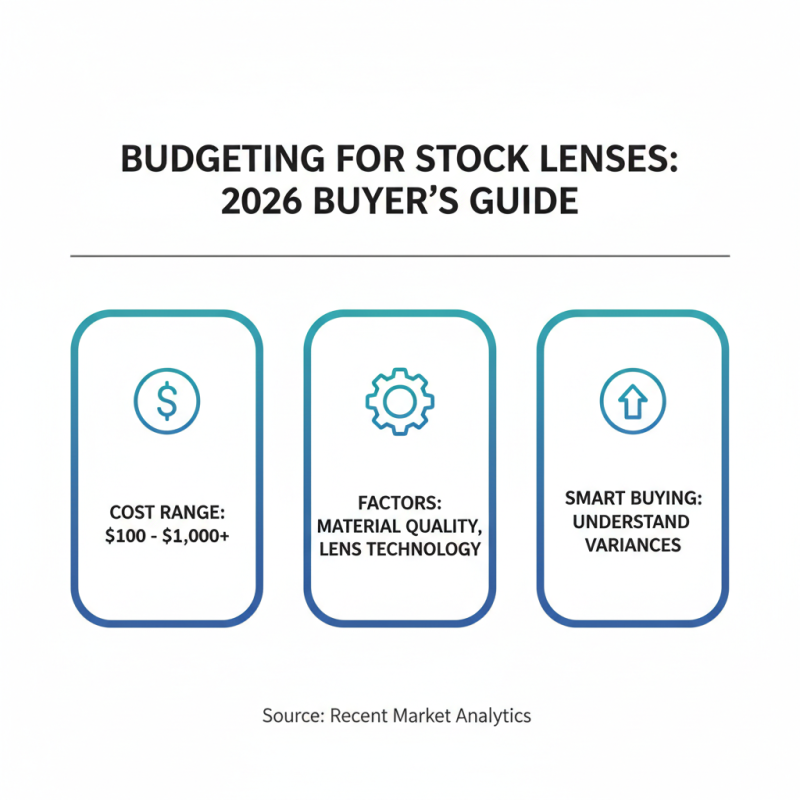
When budgeting for stock lenses in 2026, buyers must grasp the costs associated. According to recent market analytics, optical lenses can range from $100 to $1,000, depending on various factors. Factors such as material quality and lens technology significantly impact pricing. Understanding these variances ensures buyers allocate funds wisely.
A common misstep is underestimating additional expenses. Coatings, treatments, and special features often add 20% to 30% to the base price. Comprehensive reports indicate that over 60% of consumers overlook these potential costs. This oversight can lead to budget overruns, causing frustration later in the buying process. It’s essential to consider these elements early on.
Buyers should also reflect on their specific needs. Not every feature merits the extra cost for everyone. A premium lens may not be necessary for casual use. Understanding personal requirements can streamline choices and reduce wasteful spending. What works for one photographer may not suit another. Being mindful of goals and potential constraints is crucial.